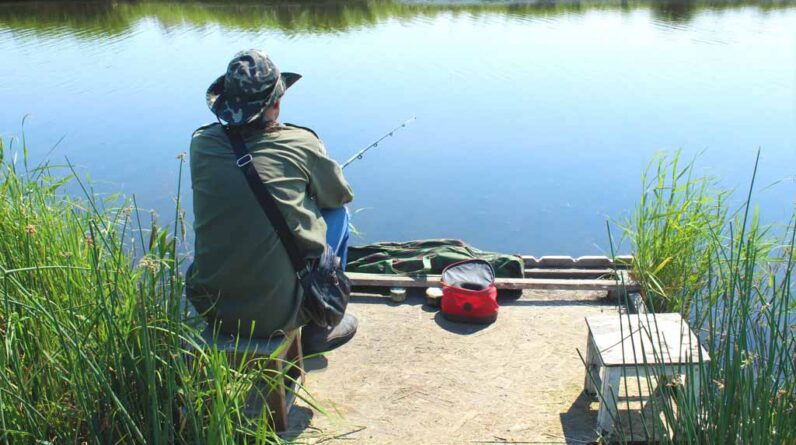
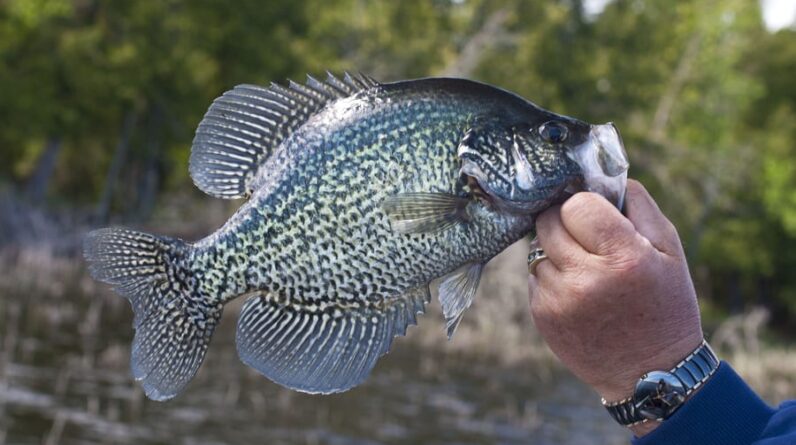
How Weather Affects Fishing: Fishing is more than just casting a line and waiting for a bite. Successful anglers know that weather conditions can dramatically influence fish behavior, feeding activity, and overall fishing success. Whether you enjoy freshwater bass fishing, offshore trolling, surf fishing, or fly fishing, understanding how weather affects fishing can help you plan better trips and increase your catch rates.
Among the most important environmental factors affecting fishing success are wind, barometric pressure, and water temperature. These three conditions play a major role in determining where fish position themselves, how aggressively they feed, and which fishing techniques are most effective throughout the day. In this guide brought to you by the experts at CheerfulFisherman.com, we will explain how each weather condition influences fish behavior and show you how to use this valuable knowledge to become a more skilled, consistent, and successful angler on every fishing trip.
Why Weather Matters in Fishing
Fish live in an underwater environment that constantly changes with weather conditions. Unlike humans, fish are cold-blooded creatures, meaning their body temperature depends on the water around them. Even small changes in weather can affect oxygen levels, baitfish movement, and feeding behavior.
Professional anglers often study weather forecasts before heading to the water because understanding environmental conditions can mean the difference between a successful fishing trip and a slow day with little action.
Weather affects:
- Fish metabolism
- Oxygen concentration
- Water clarity
- Feeding patterns
- Fish location
- Baitfish activity
- Current movement
Learning how to interpret these conditions gives anglers a major advantage.
How Wind Affects Fishing
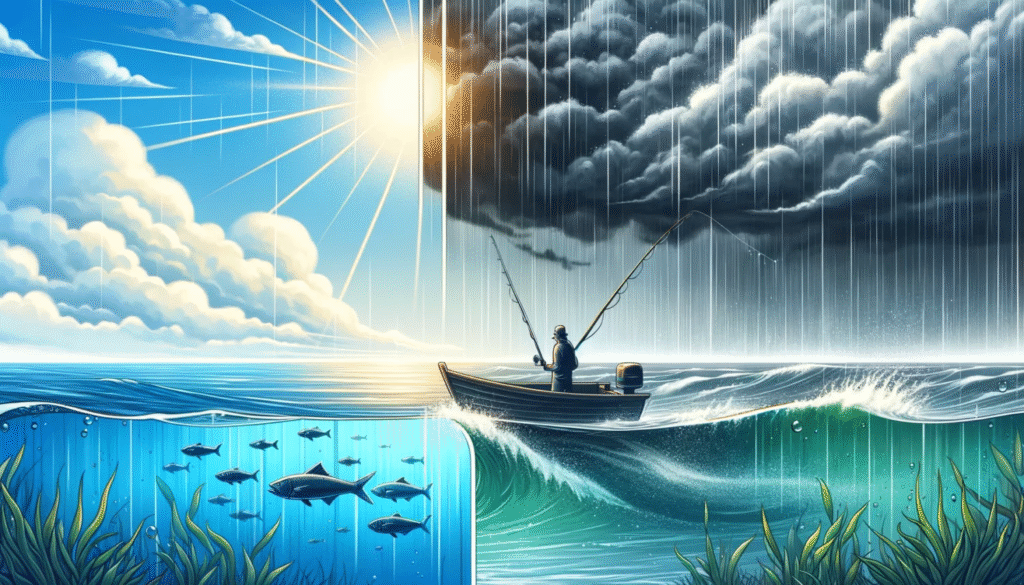
Wind is one of the most overlooked but powerful factors in fishing. While many beginners avoid windy days, experienced anglers often target them because wind can create excellent feeding opportunities.
Why Wind Improves Fishing
Wind affects the surface of the water and creates movement below. This movement stirs nutrients, displaces baitfish, and increases oxygen levels.
Wind can:
- Push baitfish toward shorelines
- Create current and turbulence
- Break up sunlight penetration
- Reduce fish visibility
- Increase oxygen in the water
Predatory fish often use windy conditions to ambush prey more effectively.
Best Wind Conditions for Fishing
Moderate wind is generally considered ideal for fishing. A light chop on the water often improves fish activity because it hides anglers from fish and creates natural movement.
Ideal Wind Speeds
- 5–15 mph: Excellent fishing conditions
- 15–20 mph: Good for aggressive fish species
- Over 25 mph: Can become dangerous and difficult
Species like largemouth bass, striped bass, redfish, snook, and trout often feed aggressively during moderate wind.
Wind Direction and Fishing Success
Wind direction also matters. In many freshwater lakes, fish tend to gather on windblown banks because baitfish are pushed there.
Wind-Blown Shorelines
Wind pushes plankton and baitfish toward one side of the lake or shoreline. Predator fish follow the food source.
Focus on:
- Points
- Grass edges
- Docks
- Shoreline structure
- Rock piles
These areas become feeding zones during windy conditions.
Fishing Techniques for Windy Conditions
Use Moving Baits
Wind creates natural movement, so aggressive lures perform well:
- Spinnerbaits
- Chatterbaits
- Crankbaits
- Swimbaits
- Topwater lures
Fish Parallel to Wind
Casting with or across the wind helps maintain lure control and allows more natural presentations.
Increase Lure Visibility
In murky water caused by wind, use:
- Brighter colors
- Vibrating lures
- Rattles
- Larger profiles
Understanding Barometric Pressure and Fishing
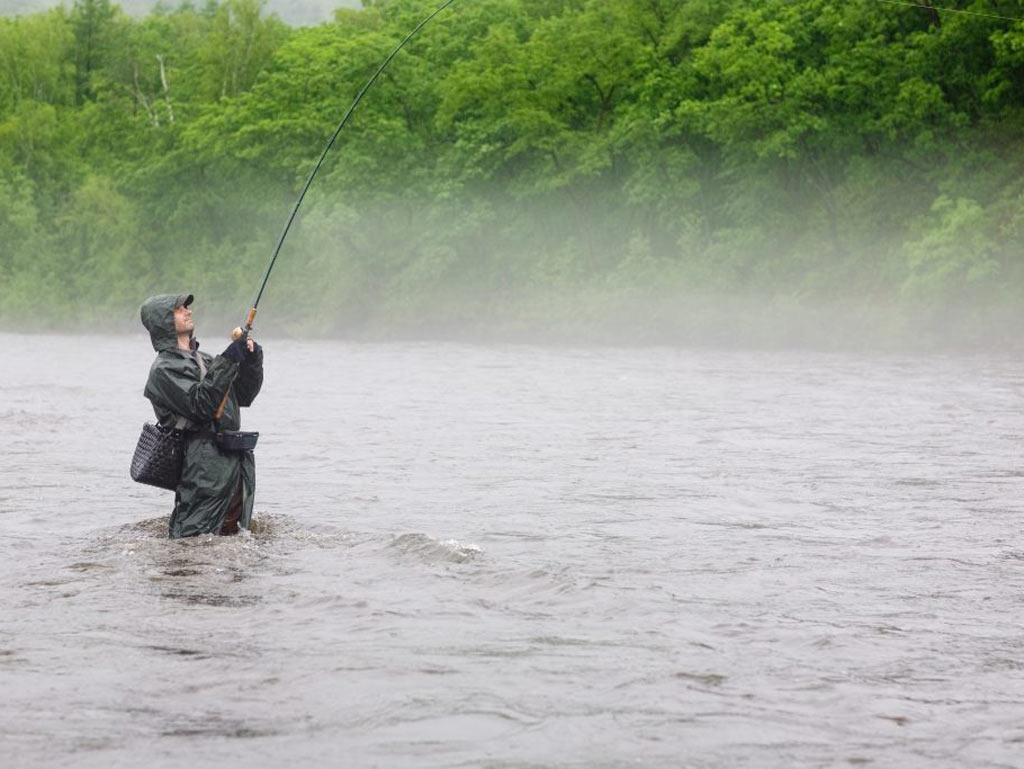
Barometric pressure, also known as atmospheric pressure, has a major effect on fish behavior. Fish can sense pressure changes through their swim bladder, making them highly sensitive to weather patterns.
Understanding pressure changes is one of the keys to predicting feeding activity.
What Is Barometric Pressure?
Barometric pressure measures the weight of the atmosphere pressing down on the earth.
Pressure changes typically happen before and after weather systems move through.
Low Pressure
Usually associated with:
- Cloudy weather
- Rain
- Storms
- Incoming fronts
High Pressure
Usually associated with:
- Clear skies
- Calm weather
- Cooler conditions after a front
Best Barometric Pressure for Fishing
Falling Pressure: Excellent Fishing
Fishing is often best when pressure is dropping before a storm.
Fish sense changing conditions and feed aggressively before bad weather arrives.
This is commonly known as the “pre-front bite.”
During falling pressure:
- Fish become more active
- Predator species feed heavily
- Larger fish may move shallow
This can create some of the best fishing opportunities of the month.
Low Pressure Fishing
Low-pressure systems often keep fish feeding throughout the day because cloud cover reduces sunlight and improves ambush conditions.
Great species to target during low pressure include:
- Bass
- Pike
- Walleye
- Snook
- Tarpon
- Redfish
Topwater fishing can also become extremely productive during cloudy, low-pressure conditions.
High Pressure Fishing Challenges
After a cold front passes, barometric pressure rises quickly. This often creates difficult fishing conditions.
Fish may:
- Become inactive
- Move deeper
- Feed less frequently
- Hold tight to structure
High-pressure days usually require slower presentations and more patience.
Best Techniques During High Pressure
When fishing after a front:
Slow Down Your Presentation
Use:
- Texas-rigged worms
- Jigs
- Drop shots
- Live bait
Fish Deeper Water
Fish often move to:
- Ledges
- Drop-offs
- Channels
- Thick cover
Downsize Your Lures
Smaller, subtle presentations often work better during tough conditions.
How Water Temperature Affects Fishing
Water temperature may be the single most important factor influencing fish activity. Since fish are cold-blooded, their metabolism depends directly on water temperature.
Each fish species has a preferred temperature range where it feeds most actively.
Why Water Temperature Matters
Water temperature affects:
- Metabolism
- Digestion
- Oxygen levels
- Spawning activity
- Migration
- Feeding patterns
Even a few degrees can change fish behavior dramatically.
Cold Water Fishing
Cold water slows fish metabolism. Fish become less active and feed less often because they require less energy.
Typical Cold Water Temperatures
- Below 55°F for bass
- Below 60°F for many saltwater species
During cold water conditions:
- Fish move slower
- Fish stay deeper
- Bites become more subtle
Best Cold Water Fishing Techniques
Use Slow Presentations
Effective cold-water techniques include:
- Jigging
- Ned rigs
- Blade baits
- Soft plastics
- Live bait
Fish During Warmest Part of the Day
Afternoon fishing is often more productive in winter because the water warms slightly.
Focus on Deep Structure
Fish commonly hold around:
- Channels
- Creek mouths
- Deep ledges
- Rock structure
Warm Water Fishing
As water temperatures rise, fish metabolism increases.
Fish:
- Feed more aggressively
- Move shallower
- Chase bait more actively
Warm water usually creates excellent fishing opportunities during spring and early summer.
Optimal Water Temperatures by Species
Largemouth Bass
- 65–80°F
Trout
- 50–65°F
Redfish
- 68–75°F
Snook
- 70–82°F
Tarpon
- 75–88°F
Understanding species-specific temperature ranges can help you locate fish more consistently.
Seasonal Weather Patterns and Fishing
Spring Fishing
Spring warming trends trigger spawning behavior.
Fish become highly active and move shallow.
Best tactics include:
- Soft plastics
- Spinnerbaits
- Sight fishing
- Live bait
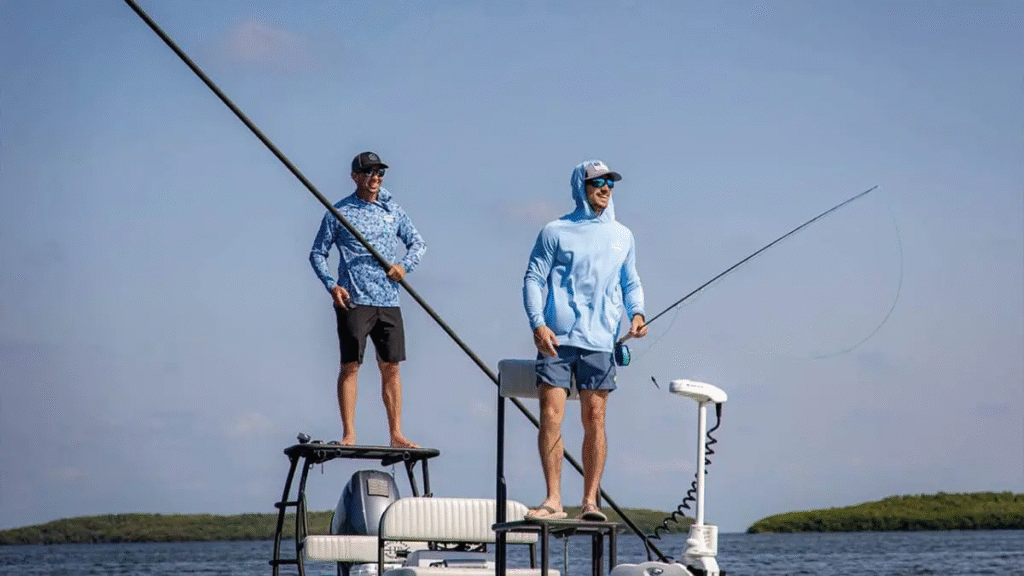
Summer Fishing
Hot summer conditions can reduce oxygen levels in shallow water.
Fish often feed:
- Early morning
- Late evening
- At night
Deep water and shaded structure become critical during midday heat.
Fall Fishing
Fall is one of the best fishing seasons because fish feed heavily before winter.
Cooling temperatures trigger aggressive feeding patterns.
Baitfish migration becomes important during autumn.
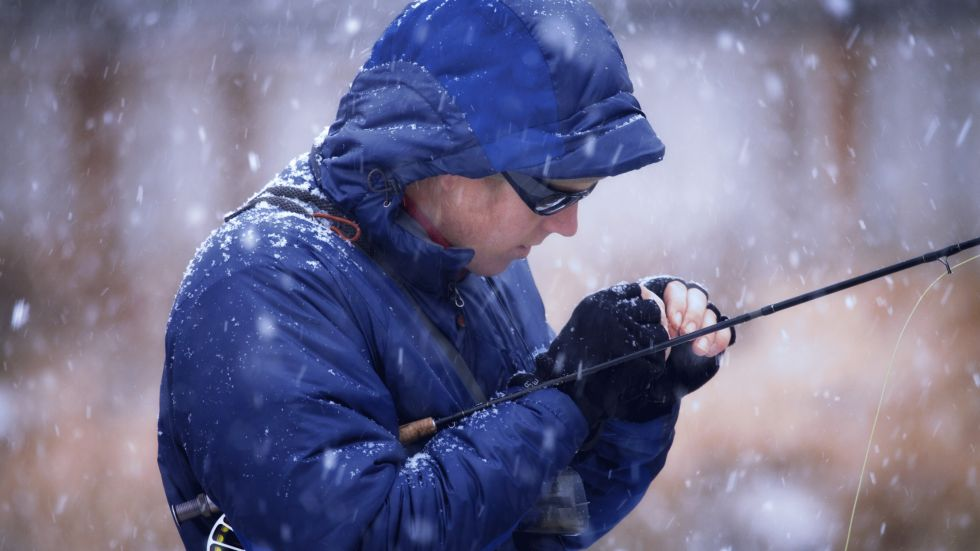
Winter Fishing
Cold temperatures slow fish metabolism significantly.
Patience and finesse presentations become essential during winter months.
Combining Weather Factors for Better Fishing
The best anglers combine multiple weather factors when planning trips.
For example:
Excellent Fishing Scenario
- Moderate wind
- Falling pressure
- Stable warming temperatures
- Cloud cover
This combination often creates aggressive feeding activity.
Tough Fishing Scenario
- Bluebird skies
- High pressure
- No wind
- Sudden cold front
These conditions usually make fish more cautious and less active.
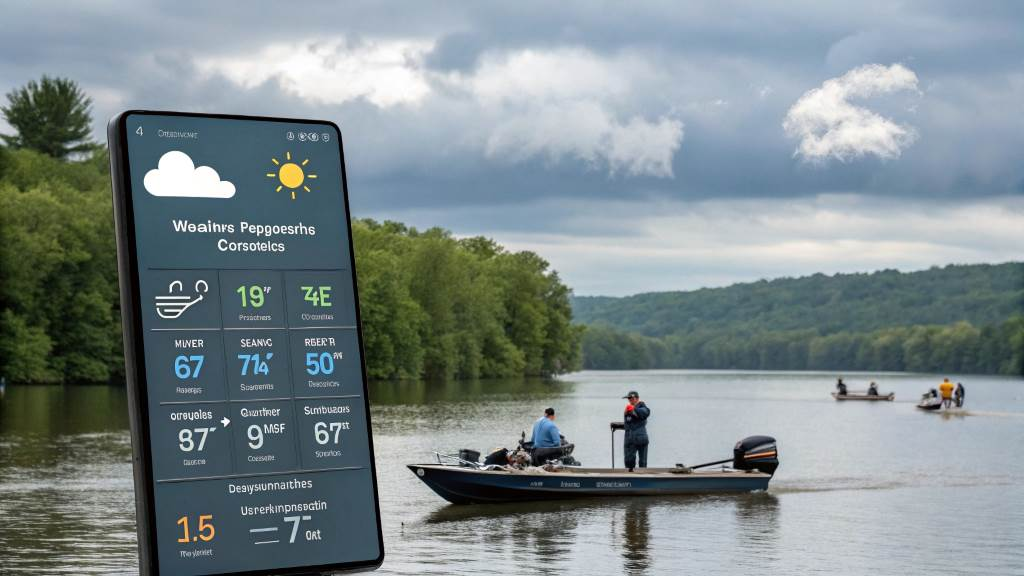
Technology and Weather Forecasting for Anglers
Modern technology makes it easier than ever to track fishing conditions.
Useful tools include:
- Marine weather apps
- Wind forecasts
- Water temperature charts
- Tide charts
- Barometric pressure trackers
- Fish-finding electronics
Many professional anglers rely heavily on weather data before tournaments and fishing trips.
Final Thoughts
Understanding how weather affects fishing can dramatically improve your success on the water. Wind, barometric pressure, and water temperature all influence fish behavior in different ways, and learning to recognize these patterns helps anglers make smarter decisions.
Rather than avoiding challenging weather conditions, experienced fishermen learn to adapt their techniques based on environmental changes. Wind can create feeding opportunities, falling pressure can trigger aggressive bites, and optimal water temperatures can lead to unforgettable fishing days.
The next time you plan a fishing trip, spend a few minutes studying the weather forecast. By understanding how fish respond to changing conditions, you can improve your strategy, choose better fishing locations, and ultimately catch more fish throughout the year.