Inshore vs Offshore Fishing: Fishing is one of the most rewarding outdoor activities, offering relaxation, excitement, and the thrill of the catch. However, one of the first decisions every angler must make is whether to fish inshore or offshore. Each style offers unique experiences, techniques, and challenges. Understanding the differences between inshore and offshore fishing will help you choose the option that best fits your goals, budget, and skill level.
In this in-depth guide crafted by the experienced team at Cheerfulfisherman.com, we’ll walk you through everything you need to understand about inshore vs offshore fishing, helping you confidently choose the option that best suits your goals, skill level, and budget. From the types of species you can target to the gear required, costs involved, and ideal conditions, this guide covers it all. Whether you’re a beginner looking for a relaxed day on the water or an experienced angler chasing big game, you’ll find valuable insights to elevate your fishing experience.
What Is Inshore Fishing?
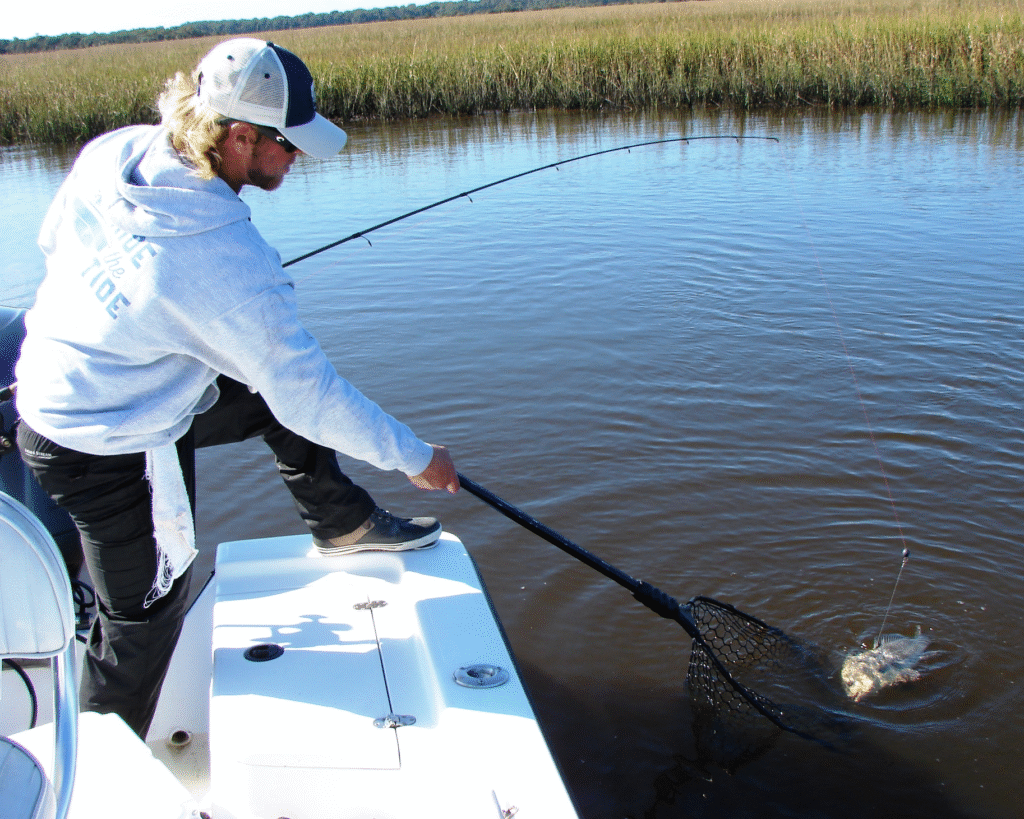
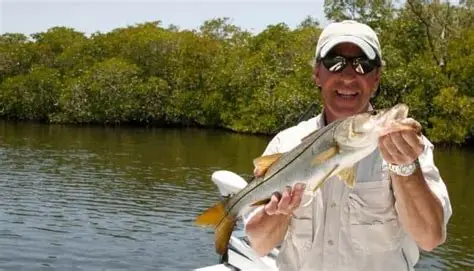
Inshore fishing refers to fishing in waters close to the shore, typically within a few miles of land. These areas include bays, estuaries, lagoons, rivers, and coastal flats. Water depth is usually shallow, often less than 30 meters (about 100 feet).
Common Inshore Species
Anglers targeting inshore waters often pursue species such as:
- Redfish
- Snook
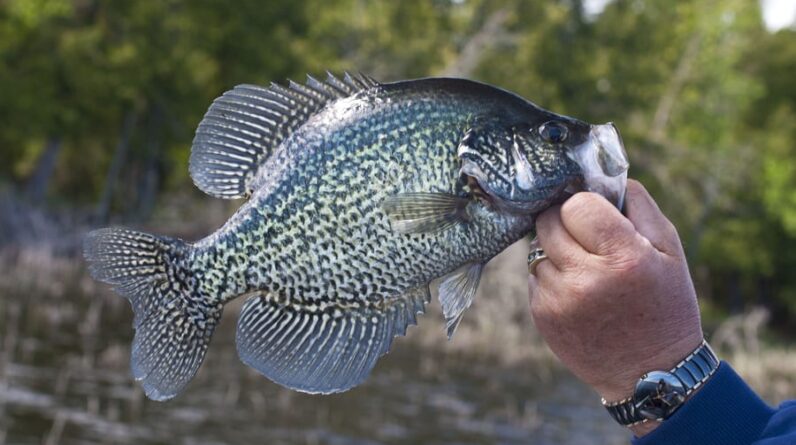
- Speckled Trout
- Flounder
- Tarpon
Advantages of Inshore Fishing
1. Accessibility
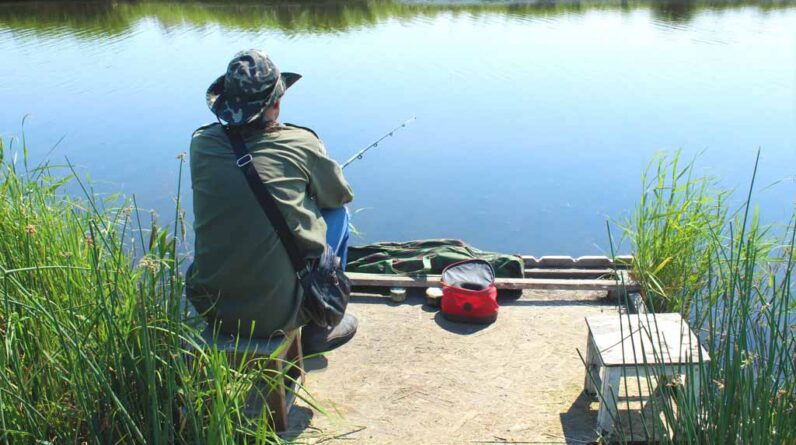
Inshore fishing is ideal for beginners because it requires smaller boats or even no boat at all. You can fish from piers, docks, kayaks, or the shoreline.
2. Lower Cost
Compared to offshore fishing, inshore trips are significantly cheaper. You’ll spend less on fuel, equipment, and charter services.
3. Calm Waters
Waters closer to shore are typically calmer, making inshore fishing more comfortable, especially for families or those prone to seasickness.
4. Skill Development
Inshore fishing helps anglers develop essential skills like casting accuracy, reading tides, and understanding fish behavior.
Disadvantages of Inshore Fishing
- Smaller average fish size compared to offshore species
- Can be more affected by tides and weather changes
- Popular spots may become crowded
What Is Offshore Fishing?
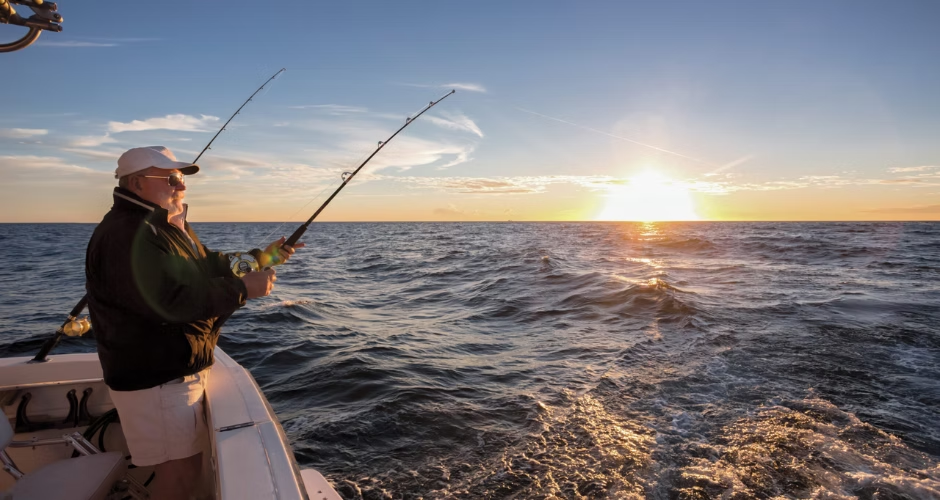
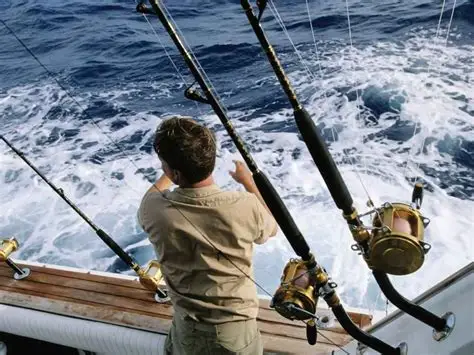
Offshore fishing, also known as deep-sea fishing, takes place far from shore—usually 10 miles or more into the ocean. These trips involve deeper waters and often require larger, more powerful boats.
Common Offshore Species
Offshore anglers often target larger, more powerful fish such as:
- Tuna
- Mahi-Mahi
- Marlin
- Sailfish
- Wahoo
Advantages of Offshore Fishing
1. Bigger Fish
Offshore fishing is known for trophy-sized catches. If you’re chasing big game fish, this is the way to go.
2. Thrill and Adventure
The challenge of battling large, powerful fish in open water creates an adrenaline-filled experience.
3. Less Crowding
Unlike inshore hotspots, offshore waters are vast, offering more privacy and fewer competing anglers.
4. Variety of Techniques
From trolling to deep dropping, offshore fishing allows anglers to experiment with advanced techniques.
Disadvantages of Offshore Fishing
- Higher cost due to fuel, gear, and charter fees
- Requires more time (often full-day or multi-day trips)
- Rougher waters can lead to seasickness
- Requires more experience or guidance
Key Differences Between Inshore and Offshore Fishing
1. Location and Distance
- Inshore: Close to land, shallow waters
- Offshore: Far from land, deep waters
2. Cost
- Inshore: Budget-friendly
- Offshore: More expensive due to logistics
3. Equipment
- Inshore: Lighter tackle and gear
- Offshore: Heavy-duty rods, reels, and lines
4. Fish Size
- Inshore: Smaller to medium-sized fish
- Offshore: Large, trophy fish
5. Experience Level
- Inshore: Beginner-friendly
- Offshore: Better suited for experienced anglers or guided trips
Which Type of Fishing Is Right for You?
Choosing between inshore and offshore fishing depends on several factors:
Choose Inshore Fishing If:
- You are a beginner or fishing with family
- You prefer shorter trips (half-day or less)
- You are on a budget
- You enjoy calm waters and steady action
Choose Offshore Fishing If:
- You want to catch large, trophy fish
- You enjoy adventure and long trips
- You have a higher budget
- You’re comfortable with open ocean conditions
Cost Comparison: Inshore vs Offshore
Inshore Fishing Costs:
- Charter: $200–$600 (half-day)
- Fuel: Low
- Gear: Affordable
Offshore Fishing Costs:
- Charter: $800–$2,500+ (full-day)
- Fuel: High
- Gear: Expensive
While offshore fishing offers bigger rewards, inshore fishing provides excellent value and consistent action.
Best Locations for Each Style
Inshore Fishing Hotspots
- Coastal bays and estuaries
- Mangroves and grass flats
- Bridges and docks
Offshore Fishing Hotspots
- Deep-sea reefs
- Drop-offs and ledges
- Open ocean currents and weed lines
If you’re fishing in places like Florida, you’re in luck—you can easily access both inshore and offshore fishing within a short distance.
Tips for Beginners
Start Inshore First
If you’re new to fishing, begin with inshore trips to build confidence and learn basic techniques.
Hire a Guide
Whether inshore or offshore, a local guide can dramatically improve your chances of success.
Check the Weather
Weather conditions impact both styles, but especially offshore trips.
Invest in Quality Gear
Even for inshore fishing, having reliable gear makes a big difference.
Final Thoughts
There’s no “better” option between inshore and offshore fishing—it all comes down to your preferences, experience level, and goals. Inshore fishing offers accessibility, affordability, and steady action, making it perfect for beginners and casual anglers. Offshore fishing, on the other hand, delivers unmatched excitement and the chance to land trophy fish.
If possible, try both styles. Many anglers find that combining inshore and offshore fishing gives them the best of both worlds and keeps their fishing experiences fresh and exciting.