Fish Finder Buying Guide: Fishing technology has changed dramatically over the past decade, and one of the most important tools modern anglers rely on is the fish finder. Whether you are a weekend freshwater angler, a kayak fisherman, or an offshore saltwater enthusiast, the right fish finder can improve your success on the water dramatically.
However, choosing the best fish finder is not always simple. With countless brands, sonar technologies, screen sizes, and advanced features on the market, many anglers end up purchasing a unit that either lacks important functions or comes packed with expensive extras they rarely use on the water. That’s why making the right choice requires careful research and understanding of your fishing needs.
In this complete fish finder buying guide created by the experts at CheerfulFisherman.com, we’ll break down exactly what to look for before you buy, including display quality, GPS capabilities, sonar performance, and budget considerations, so you can confidently select the perfect fish finder for your fishing style and budget.
What Is a Fish Finder?
A fish finder is an electronic device that uses sonar technology to detect fish, underwater structures, depth changes, vegetation, and bottom contours beneath your boat or kayak.
Fish finders work by sending sound waves through the water using a transducer. These sound waves bounce back after hitting objects, and the unit converts the information into images displayed on the screen.
Modern fish finders can do much more than simply locate fish. Many now include:
- GPS navigation
- Lake mapping
- Side imaging
- Down imaging
- CHIRP sonar
- Wi-Fi connectivity
- Smartphone integration
- Live sonar technology
Choosing the right combination of features depends on how and where you fish.
Why Buying the Right Fish Finder Matters
Investing in the right fish finder can help you:
- Find fish faster
- Locate underwater structures
- Save fuel and time
- Navigate safely
- Identify productive fishing spots
- Improve catch rates
- Learn unfamiliar lakes and coastal areas
A poorly chosen unit, on the other hand, can lead to frustration, inaccurate readings, poor visibility, and wasted money.
That’s why understanding the key features before buying is essential.
Types of Fish Finders
Basic Fish Finders
These are entry-level units designed for casual anglers. They usually offer:
- Traditional sonar
- Basic depth readings
- Small displays
- Simple controls
They are ideal for beginners or anglers fishing small lakes occasionally.
GPS Combo Fish Finders
These combine sonar technology with GPS mapping.
Benefits include:
- Waypoint marking
- Route tracking
- Navigation
- Lake charts
- Spot saving
These are among the most popular options because they combine two essential tools into one device.
Portable Fish Finders
Portable units are ideal for:
- Kayaks
- Canoes
- Ice fishing
- Rental boats
They are lightweight and easy to transport.
Networked Fish Finders
Premium units can connect with:
- Radar systems
- Trolling motors
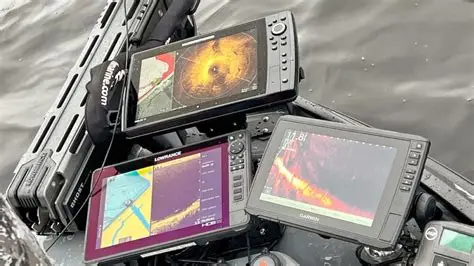
- Multiple displays
- Smartphones
- Live sonar systems
These are commonly used by tournament anglers and offshore fishermen.
Understanding Sonar Technology
Traditional Sonar
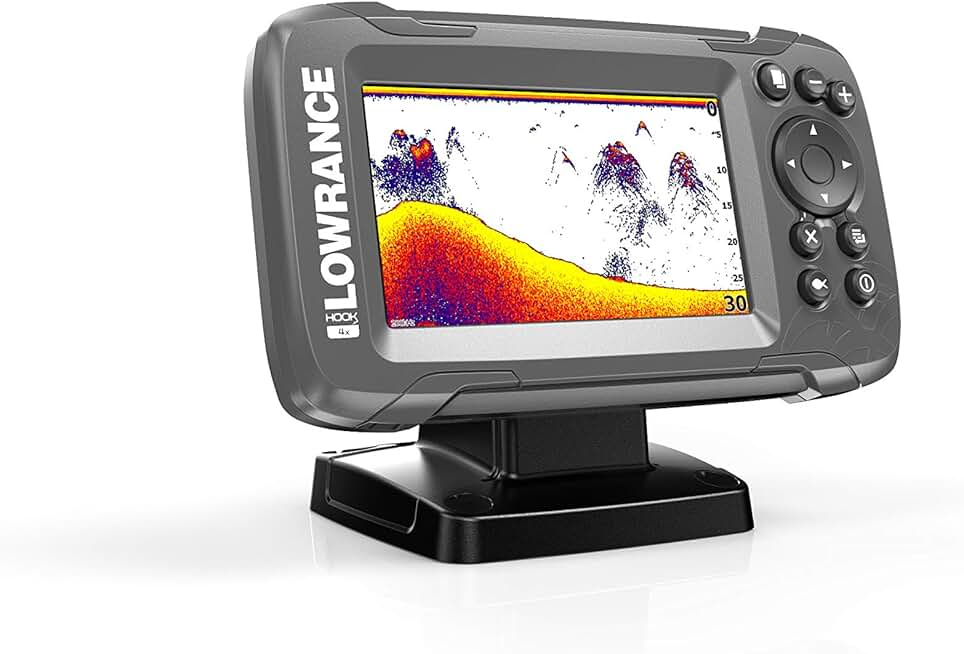
Traditional sonar sends a cone-shaped beam into the water.
It is excellent for:
- Depth readings
- Fish arches
- Bottom composition
- General underwater detection
This is the standard technology found in most fish finders.
CHIRP Sonar
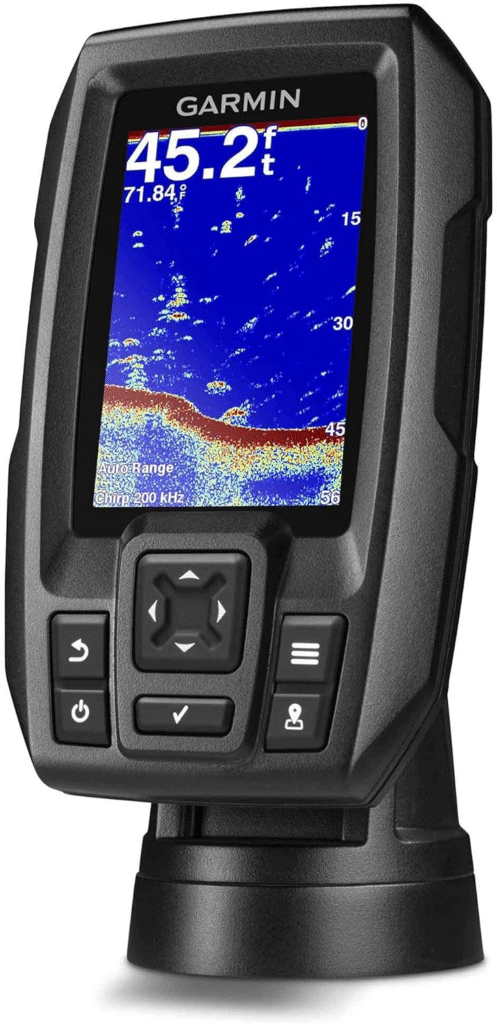
CHIRP stands for “Compressed High-Intensity Radiated Pulse.”
Instead of sending one frequency, CHIRP sonar sends multiple frequencies simultaneously.
Advantages include:
- Better target separation
- Improved depth performance
- Sharper fish images
- Reduced interference
CHIRP is one of the best upgrades you can choose.
Down Imaging
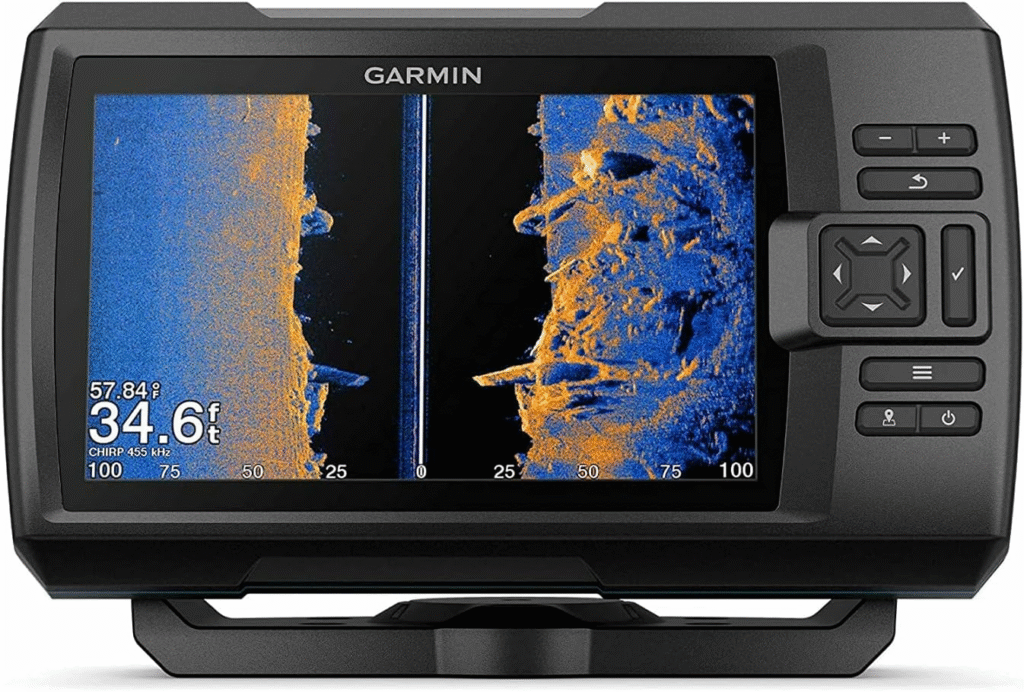
Down imaging provides photo-like images directly beneath the boat.
It helps anglers identify:
- Brush piles
- Rocks
- Vegetation
- Sunken trees
- Fish positioning
This feature is extremely useful for bass fishing and structure fishing.
Side Imaging
Side imaging scans both sides of the boat.
This allows anglers to:
- Cover more water quickly
- Locate schools of fish
- Find underwater structures
- Identify drop-offs
Side imaging is especially valuable for locating fish in large lakes.
Live Sonar
Live sonar technology has revolutionized fishing.
Systems like real-time sonar allow anglers to watch fish movements live on the screen.
Benefits include:
- Watching fish react to lures
- Tracking bait schools
- Improving lure presentation
- Identifying inactive fish
However, live sonar systems are expensive and often unnecessary for casual anglers.
Screen Size: Bigger Isn’t Always Better
One of the most overlooked aspects of buying a fish finder is screen size.
Small Screens (4–6 inches)
Best for:
- Kayaks
- Small boats
- Budget setups
Advantages:
- Affordable
- Compact
- Easy to install
Disadvantages:
- Limited detail
- Harder to read split screens
Medium Screens (7–9 inches)
This is the sweet spot for most anglers.
Advantages:
- Good visibility
- Better mapping
- Easier split-screen viewing
- Balanced price
Ideal for:
- Bass boats
- Bay boats
- General recreational fishing
Large Screens (10–16 inches)
Best for serious anglers and offshore fishing.
Advantages:
- Incredible detail
- Multiple views at once
- Better mapping visibility
Disadvantages:
- Expensive
- Higher power consumption
Display Quality Matters
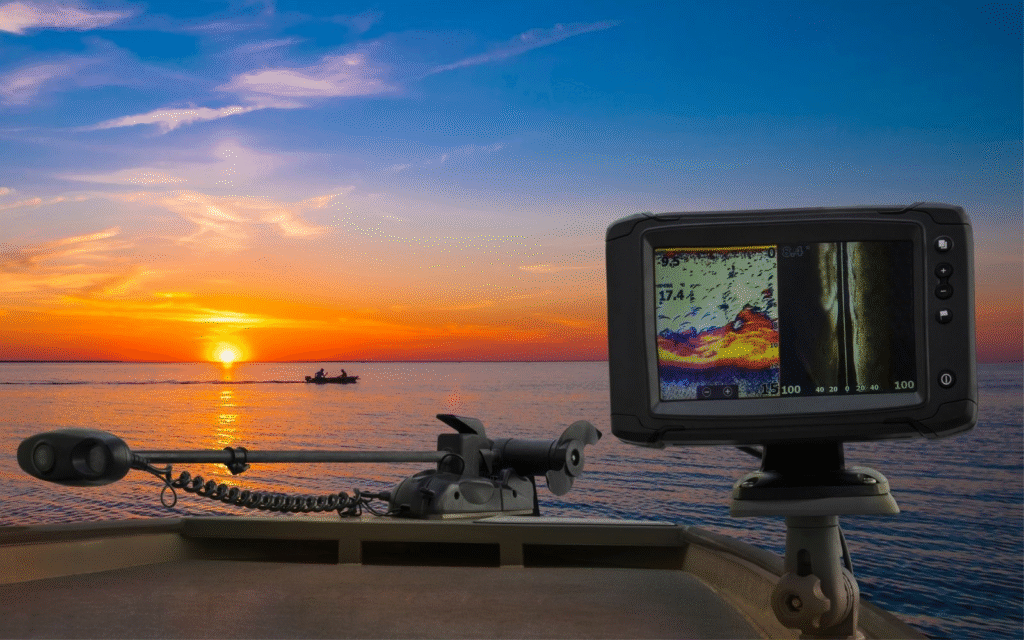
A high-quality screen can make a huge difference, especially in direct sunlight.
Look for:
- High resolution
- Bright displays
- Anti-glare technology
- Color screens
- Adjustable brightness
Poor display quality can make even the best sonar difficult to use.
GPS and Mapping Features
Many anglers underestimate the importance of GPS functionality.
A good GPS fish finder allows you to:
- Mark productive fishing spots
- Navigate safely
- Track routes
- Avoid hazards
- Return to waypoints
Some units also include detailed lake maps and coastal charts.
Popular mapping systems include:
- Navionics
- LakeMaster
- C-MAP
If you fish unfamiliar waters often, GPS mapping is a must-have feature.
Transducers: The Heart of the System
The transducer is one of the most important components of any fish finder.
It sends and receives sonar signals.
Types of Transducers
Transom-Mount
Mounted on the back of the boat.
Most common and affordable option.
Through-Hull
Installed through the hull.
Excellent for offshore fishing.
Trolling Motor Mount
Mounted directly on trolling motors.
Very popular among bass anglers.

Power and Depth Capability
Not all fish finders perform equally in deep water.
If you fish offshore or deep reservoirs, look for:
- Higher wattage
- CHIRP sonar
- Powerful transducers
Shallow-water anglers typically do not need extremely powerful systems.
Freshwater vs. Saltwater Fish Finders
Freshwater Fishing
Anglers often prioritize:
- Side imaging
- Down imaging
- Lake maps
- Structure detail
Saltwater Fishing
Anglers usually focus on:
- Deep-water performance
- GPS navigation
- Radar compatibility
- Durability
- High-powered sonar
Saltwater environments are harsher, so corrosion resistance matters greatly.
Fish Finder Features Worth Paying For
Some features are genuinely useful, while others are mostly marketing.
Worth It
- CHIRP sonar
- GPS mapping
- Side imaging
- Down imaging
- High-resolution screens
- Waypoint storage
Optional
- Wi-Fi connectivity
- Smartphone notifications
- Social fishing apps
Premium Features
- Live sonar
- Full networking systems
- Radar integration
These are mainly for advanced anglers.
Best Fish Finder Brands
Several manufacturers dominate the fish finder market.
Garmin
Known for:
- LiveScope technology
- Excellent GPS systems
- User-friendly interfaces
Official website: Garmin
Humminbird
Famous for:
- MEGA Side Imaging
- LakeMaster mapping
- Bass fishing technology
Official website: Humminbird
Lowrance
Popular for:
- Offshore capabilities
- ActiveTarget live sonar
- High-end networking
Official website: Lowrance
Raymarine
Well respected among offshore anglers.
Known for:
- Radar systems
- Premium navigation
- Saltwater electronics
Official website: Raymarine
How Much Should You Spend?
Under $200
Good for:
- Beginners
- Kayaks
- Small boats
Expect:
- Basic sonar
- Small screens
- Limited GPS
$200–$700
Best overall value range.
You can get:
- GPS combo units
- CHIRP sonar
- Decent screen sizes
- Basic side imaging
This range works for most anglers.
$700–$2,000+
High-end category.
Features may include:
- Large displays
- Advanced imaging
- Networking
- Live sonar compatibility
Designed for serious enthusiasts and tournament anglers.
Common Mistakes When Buying a Fish Finder
Buying Too Cheap
Ultra-budget units may lack:
- Good visibility
- Reliable sonar
- Mapping capability
Paying for Features You Won’t Use
Not every angler needs:
- Live sonar
- Radar integration
- Massive displays
Buy based on your fishing style.
Ignoring Installation Requirements
Some systems require:
- Additional batteries
- Mounting space
- Professional installation
Always consider installation costs.
Choosing the Wrong Transducer
A high-end display paired with a weak transducer limits performance.
The transducer matters just as much as the display itself.
Fish Finder Buying Tips for Beginners
If you are buying your first fish finder:
- Start with a 7-inch GPS combo unit
- Prioritize CHIRP sonar
- Learn traditional sonar first
- Avoid overspending initially
- Focus on ease of use
Many anglers upgrade later as their skills improve.
Are Expensive Fish Finders Worth It?
For serious anglers, premium fish finders can absolutely improve fishing efficiency.
However, expensive electronics alone do not guarantee more fish.
Knowledge of:
- Fish behavior
- Seasonal patterns
- Structure
- Water conditions
still matters far more than technology.
A moderately priced fish finder used correctly is often better than a premium unit used poorly.
Final Thoughts
Buying the right fish finder can completely transform your fishing experience. The best unit for you depends on your fishing style, target species, boat size, and budget.
For most anglers, a mid-range GPS combo fish finder with CHIRP sonar and side imaging provides the best balance between performance and value.
Before purchasing, focus on the features that genuinely improve your time on the water rather than chasing every new technology available.
With the right fish finder, you’ll spend less time searching and more time catching fish.