River fishing is one of the most rewarding and accessible forms of angling. Whether you are targeting bass, trout, catfish, or panfish, rivers offer dynamic environments full of structure, current breaks, and feeding zones that can dramatically increase your success when you understand how they work.
The team at Cheerfulfisherman.com has developed this in-depth and practical guide to help anglers of all skill levels succeed on the water. In this resource, we break down the best river fishing spots, proven techniques that consistently produce results, and the ideal gear setup for different river conditions and target species. From understanding currents and structure to selecting the right lures, bait, rods, and reels, every detail is covered so you can approach any river with confidence, preparation, and a clear strategy for landing more fish consistently.
Why River Fishing Is Different (And Why It’s So Effective)
Unlike lakes and ponds, rivers are constantly moving systems. The current creates:
- Oxygen-rich water
- Natural food movement
- Defined feeding lanes
- Predictable fish positioning
Fish don’t randomly swim in rivers. They position themselves strategically to conserve energy and ambush prey. Once you learn how to read current, you’ll dramatically increase your catch rate.
Best River Fishing Spots (Where Fish Actually Hold)
Understanding where fish sit in a river is the biggest game-changer. Here are the most productive locations:
1. River Bends (Outside Curves)

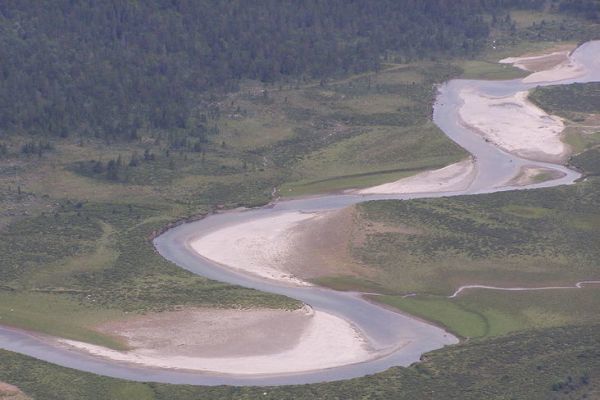
When a river curves, the outside bend becomes deeper due to stronger current erosion. This creates:
- Deeper holes
- Slower water near the bank
- Structure like fallen trees
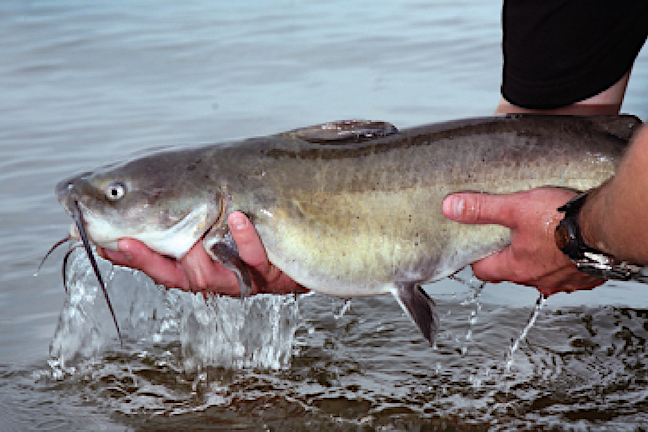
Predator fish like bass and catfish often sit in these deeper sections waiting for food to drift by.
Pro Tip: Cast upstream and let your lure drift naturally into the bend.
2. Current Breaks
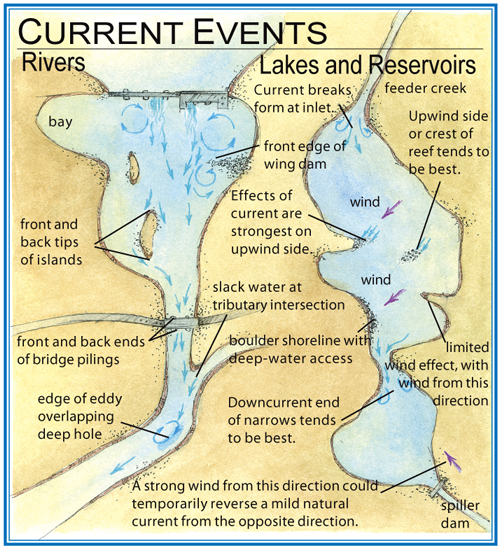

Fish avoid fighting heavy current all day. They position behind:
- Large rocks
- Fallen trees
- Bridge pilings
- Submerged logs
These “current breaks” create calm pockets where fish conserve energy.
Best For: Smallmouth bass, trout, and walleye.
3. Confluences (Where Two Rivers Meet)
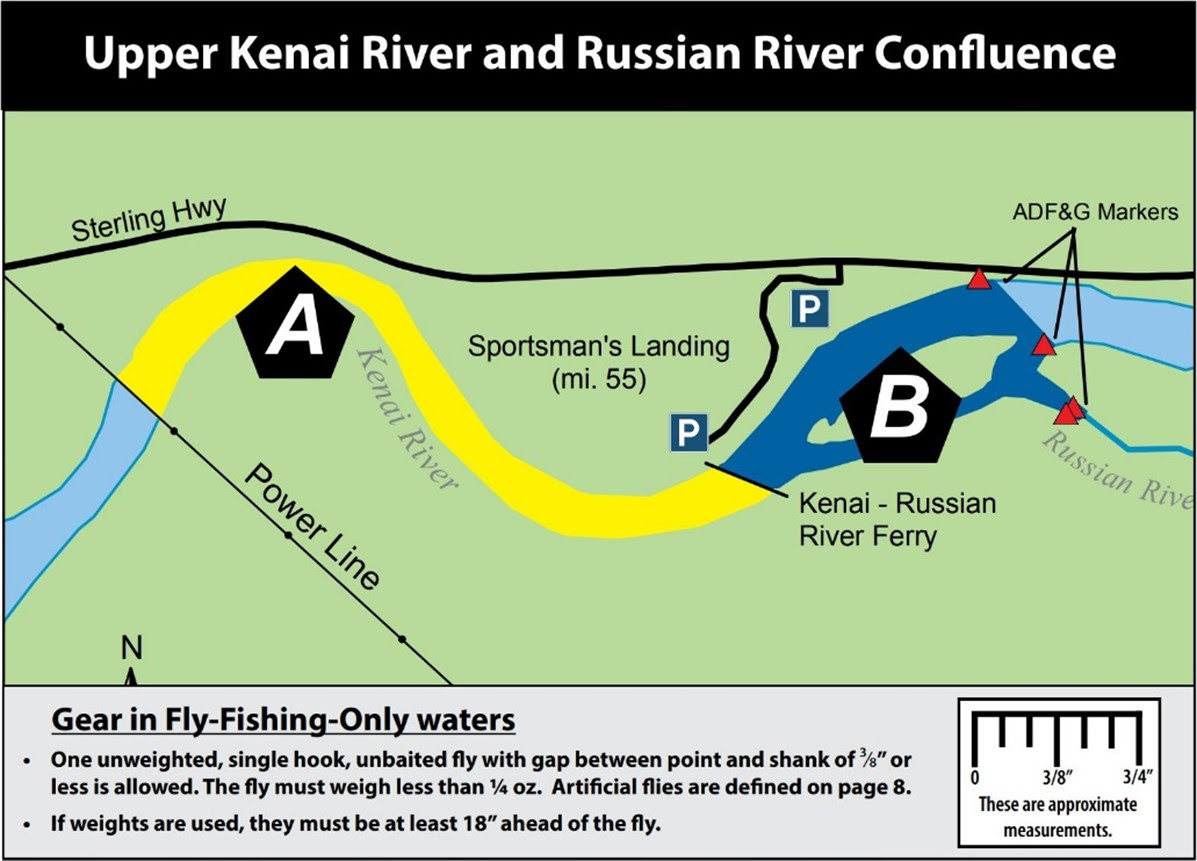

When two bodies of water merge, they create:
- Mixing currents
- Temperature changes
- Increased baitfish activity
Fish often hold right at the seam where water colors meet.
4. Deep Holes and Pools
Deep holes are prime feeding and resting areas, especially during:
- Summer heat
- Winter cold
- High water conditions
Use heavier weights to reach bottom in these zones.
River Fishing Techniques That Work
Now that you know where fish hold, let’s talk about how to catch them.
1. Drift Fishing (Natural Presentation)
Drift fishing allows your bait or lure to move naturally with the current.
How to do it:
- Cast upstream.
- Keep light tension on the line.
- Let bait drift naturally.
- Detect subtle bites.
Best for trout, catfish, and walleye.
2. Bottom Bouncing
Perfect for deeper rivers.
- Use a sinker heavy enough to maintain bottom contact.
- Slowly retrieve downstream.
- Keep rod tip slightly elevated.
Great for smallmouth bass and walleye.
3. Casting to Structure
Instead of blind casting, target specific current breaks.
- Cast upstream of a rock or log.
- Retrieve slowly past the structure.
- Expect strikes right at the transition point.
4. Topwater at Dawn and Dusk
Low light equals aggressive feeding.
- Use poppers or buzzbaits.
- Focus on shallow flats and slack water.
- Keep retrieves steady.
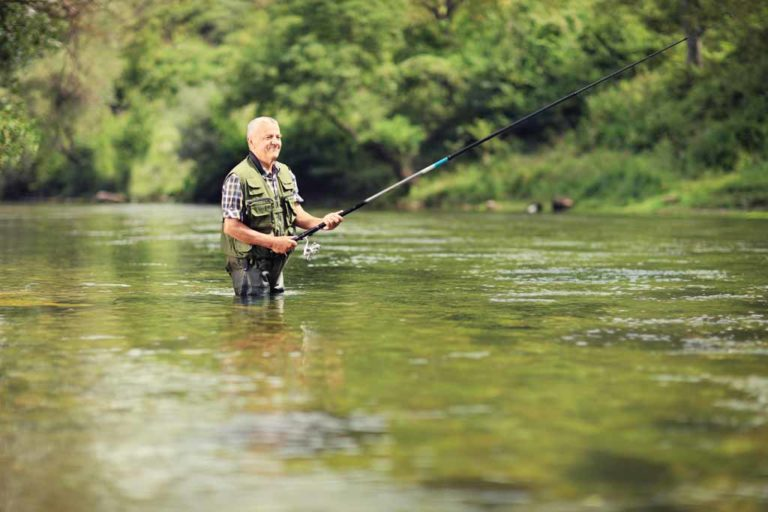
Best Gear Setup for River Fishing
Your gear must match current strength and target species.
Rod & Reel Setup
Recommended Rod:
- 6’6”–7’ Medium or Medium-Light
- Fast action tip
Reel:
- 2500–3000 size spinning reel
Spinning setups are ideal for river fishing because they allow lighter lures and better drift control.
Line Selection
- 10–15 lb braided line for sensitivity
- 6–10 lb fluorocarbon leader for invisibility
Braid helps you feel subtle bites in moving water.
Terminal Tackle Essentials
Keep it simple:
- Assorted bullet weights
- Split shot
- Barrel swivels
- Hooks (1/0–3/0 for bass, smaller for trout)
Best Lures for River Fishing
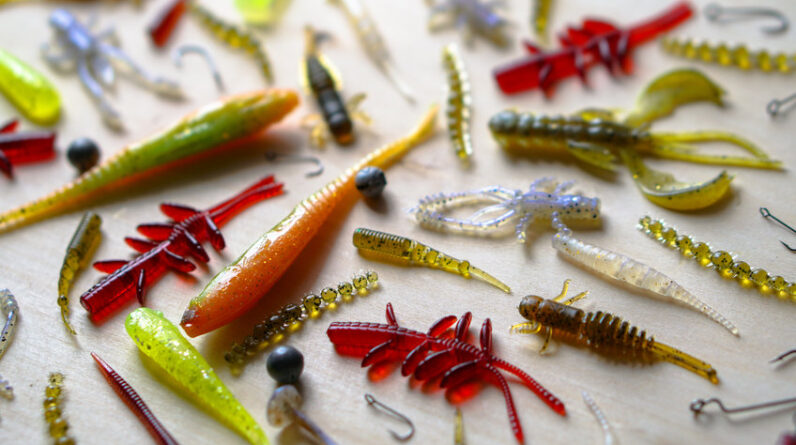
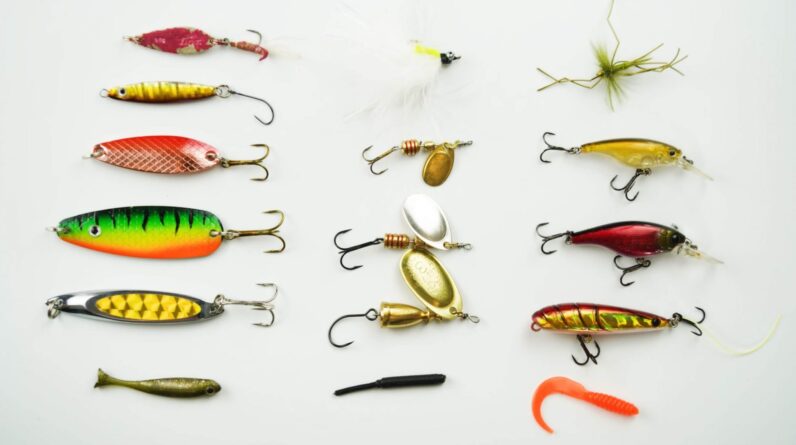
1. Soft Plastic Swimbaits
Mimic baitfish drifting with current.
2. Inline Spinners
Excellent for trout and smallmouth.
3. Tube Jigs
Deadly around rocks.
4. Crankbaits
Use shallow divers in moderate current.
Seasonal River Fishing Tips
Spring
- Fish shallow edges.
- Target warming water.
- Use slower retrieves.
Summer
- Focus on deep holes.
- Fish early morning and evening.
Fall
- Aggressive feeding.
- Use reaction baits.
Winter
- Slow everything down.
- Fish deeper and slower.
How to Read River Current Like a Pro
Look for:
- Foam lines (indicate seams)
- Ripples (structure below)
- Slack water near banks
- Color changes
Fish position where fast meets slow water.
Common River Fishing Mistakes to Avoid
- Fishing directly in heavy current.
- Ignoring upstream casting.
- Using too much weight.
- Moving too quickly from spot to spot.
- Not adjusting for water clarity.
Safety Tips for River Anglers
- Always wear proper footwear.
- Be cautious of rising water.
- Use a wading staff in fast current.
- Check local regulations.
Final Thoughts: Keep It Simple
River fishing doesn’t require expensive gear or complicated tactics. Success comes from:
- Understanding current
- Targeting structure
- Using natural presentations
- Adjusting to conditions
Master those fundamentals, and you’ll consistently catch more fish.
If you apply these strategies the next time you hit the river, you’ll quickly realize that river fishing is not complicated — it’s simply about reading water and presenting your bait where fish already want to be.