Soft plastics are one of the most versatile and effective tools in modern bass fishing. Whether you’re targeting largemouth in heavy cover, smallmouth on rocky structure, or fishing pressured waters, learning how to fish with soft plastics properly can dramatically increase your catch rate.
In this complete guide, you’ll learn:
- Why soft plastics work so well
- The best soft plastic rigging styles
- How to rig Texas, Carolina, Wacky, Ned, and Drop Shot rigs
- When to use each setup
- Pro tips to maximize bites
If you’re truly committed to elevating your bass fishing skills and catching more quality fish throughout the season, the team at Cheerfulfisherman.com has put together a comprehensive, easy-to-follow guide designed specifically for anglers who want real results. This in-depth breakdown of the most effective soft plastic rigging styles will help you fish smarter, adapt to different water conditions, understand when to use each setup, and approach every cast with greater confidence, precision, and consistency on the water.
Why Soft Plastics Are So Effective
Soft plastics imitate natural forage better than almost any other lure category. Their flexibility allows for lifelike movement that triggers reaction strikes and feeding behavior.
Key advantages include:
- Natural texture and feel (bass hold them longer)
- Endless rigging versatility
- Effective in shallow and deep water
- Work in clear and dirty water
- Excellent for both beginners and advanced anglers
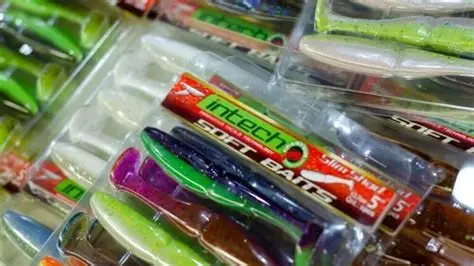
Popular soft plastic categories include:
- Worms (straight-tail, ribbon-tail)
- Creature baits
- Craw imitations
- Swimbaits
- Stick baits
Now let’s break down the most effective soft plastic rigging styles and when to use each.
Texas Rig (The Most Versatile Setup)
The Texas rig is the most popular and versatile way to fish soft plastics. It’s weedless, easy to rig, and deadly in heavy cover.
Best For:
- Fishing grass
- Wood cover
- Docks
- Heavy vegetation
- Shallow to mid-depth water
How to Rig a Texas Rig:
- Slide a bullet weight onto your line (pointed end toward rod tip).
- Tie on an offset worm hook.
- Insert the hook point into the nose of the worm.
- Bring the hook out about 1/4 inch down.
- Slide the worm up to the eye of the hook.
- Rotate the worm and embed the hook point back into the body (weedless).
When to Use It
- When bass are in thick cover
- When fishing pressured lakes
- When you need a subtle bottom presentation
Pro Tip:
Peg the weight when flipping heavy cover. Leave it unpegged for a more natural fall.
Carolina Rig (Covering Water Deep)


The Carolina rig excels at covering large areas and targeting deeper structure.
Best For:
- Offshore structure
- Points
- Ledges
- Deep flats
- Pre-spawn and summer bass
How to Rig a Carolina Rig:
- Slide a heavy egg sinker onto your main line.
- Add a bead.
- Tie on a swivel.
- Attach a 12–36 inch leader.
- Tie a hook to the end of the leader.
- Rig your soft plastic (usually a worm or creature bait).
Why It Works
The weight drags along the bottom while the bait floats naturally behind it, creating separation that triggers bites.
Pro Tip:
Use longer leaders in clear water and shorter leaders in stained water.
Wacky Rig (Finesse Killer)
The wacky rig is simple but incredibly effective, especially in clear or pressured waters.
Best For:
- Docks
- Calm water
- Suspended bass
- Post-spawn conditions
How to Rig a Wacky Rig:
- Take a stick worm.
- Insert the hook directly through the middle of the worm.
- Let both ends dangle freely.
As it falls, both ends flutter naturally, creating irresistible action.
Pro Tip:
Use an O-ring to extend worm life and improve hook-up ratio.
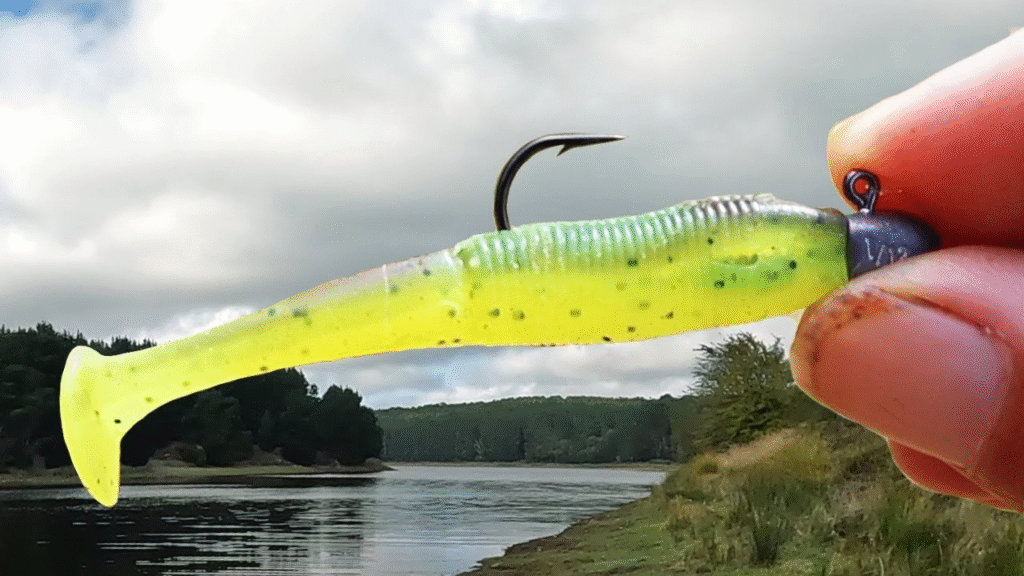
Ned Rig (Small but Deadly)


The Ned rig is a finesse technique that shines in tough conditions.
Best For:
- Cold water
- High fishing pressure
- Rocky bottoms
- Smallmouth bass
How to Rig It:
- Use a mushroom-style jig head.
- Thread a small soft plastic (2.5–3 inches) onto the jig.
- Fish it slowly along the bottom.
The upright posture mimics a feeding baitfish or craw.
Pro Tip:
Less movement is more. Let it sit between subtle hops.
Drop Shot Rig (Vertical Precision)
The drop shot rig is ideal for targeting suspended or deep bass.
Best For:
- Deep water
- Clear lakes
- Electronics fishing
- Suspended fish
How to Rig It:
- Tie a drop shot hook using a Palomar knot.
- Leave a long tag end.
- Attach a drop shot weight at the bottom.
- Nose-hook your soft plastic.
The bait stays suspended above the weight, maintaining a perfect strike zone.
Pro Tip:
Keep the line tight and use subtle rod shakes.
How to Choose the Right Rigging Style
Choosing the right soft plastic rig depends on:
1. Cover
- Heavy grass → Texas Rig
- Open bottom → Carolina or Ned
- Docks → Wacky
2. Water Depth
- Shallow → Texas or Wacky
- Mid-depth → Carolina
- Deep → Drop Shot
3. Fish Activity Level
- Aggressive → Texas
- Neutral → Carolina
- Finicky → Ned or Drop Shot
Soft Plastic Fishing Gear Setup
To maximize results:
Rod
- Medium-heavy for Texas & Carolina
- Medium spinning rod for finesse rigs
Reel
- Baitcaster for power fishing
- Spinning reel for finesse
Line
- Fluorocarbon for sensitivity
- Braid with leader in heavy cover
Retrieval Techniques That Get More Bites
Even the best rig fails without proper presentation.
Try these:
- Slow drag along bottom
- Hop and pause
- Dead stick
- Lift and drop
- Shake in place
Experiment until fish tell you what they want.
Common Mistakes When Fishing Soft Plastics
- Moving too fast
- Setting the hook too quickly
- Using too heavy a weight
- Ignoring subtle bites
- Not matching forage color
Remember: soft plastics excel because they look natural. Fish them with patience.
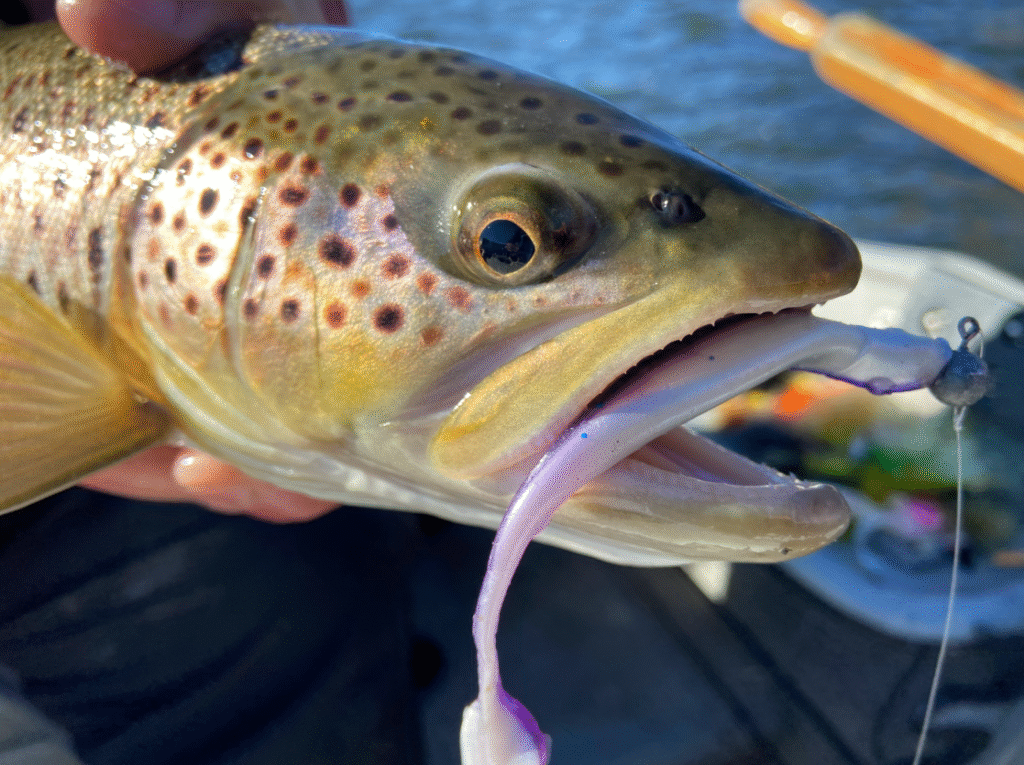
Seasonal Soft Plastic Strategy
Spring
Texas rig around spawning beds.
Summer
Carolina rig deep ledges.
Fall
Swim Texas rigged plastics through bait schools.
Winter
Slow Ned rig or Drop Shot.
Final Thoughts: Mastering Soft Plastic Rigging
Learning how to fish with soft plastics is one of the most important skills in bass fishing. By mastering Texas, Carolina, Wacky, Ned, and Drop Shot rigs, you’ll be prepared for almost any condition.
The key is confidence and adaptability.
Start simple. Practice each rig. Pay attention to how fish respond. Over time, you’ll instinctively know which rig to tie on.
Soft plastics aren’t just lures — they’re problem-solvers. And once you understand rigging styles and presentation, your catch rates will dramatically improve.
If you want to consistently catch more bass, mastering soft plastic fishing techniques is non-negotiable.
Now tie one on and hit the water.